Vacuum Insulation Pipe Solves the Problem of Geothermal Energy Loss
In recent years, the world has increased its investment in clean energy. The development of China's energy industry has entered a new stage of carbon reduction and energy conservation from being clean and efficient. As a clean and zero - carbon energy source, geothermal energy has ushered in unprecedented development opportunities.
Currently, the insulation industry has a wide variety of technologies, and insulation products are diverse.
However, through practice, "vacuum" remains the best insulation method.
In geothermal energy development projects, especially in middle - and deep - geothermal applications, special insulation pipes are generally not used. Instead, ordinary steel pipes, PE pipes, or insulation pipes not suitable for underground use (such as polyurethane insulation pipes) are used as geothermal energy transmission pipelines, resulting in low geothermal energy utilization efficiency. Vacuum insulation pipes have similar products in the oil - exploitation field, commonly known as insulation tubing. Jinhuan Company drawing on the more than 30 - year application of insulation tubing in the heavy - oil steam - injection huff - and - puff field, our company has developed a vacuum insulation pipe suitable for the geothermal field. Its anti - extrusion, anti - internal - pressure, and connection - strength indicators can meet the design requirements of geothermal medium - and deep - well mining, ensuring the efficient utilization of geothermal energy.
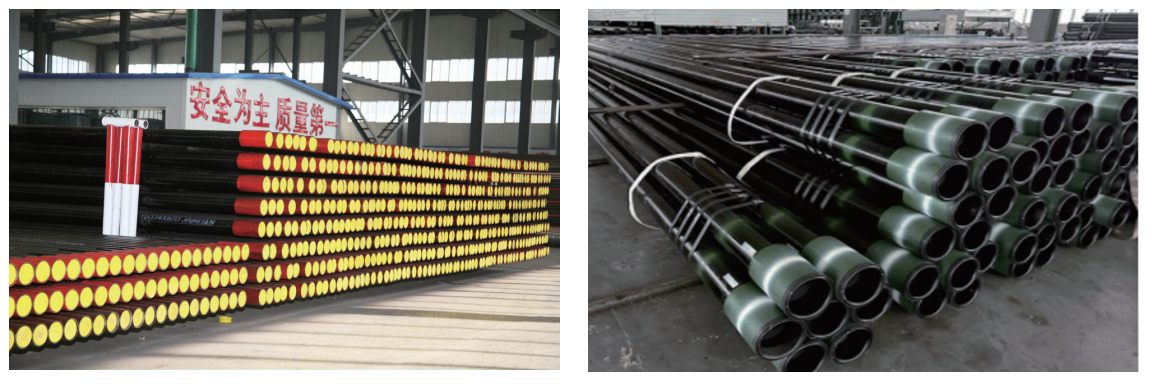
Vacuum Insulation Pipes Aid in the Development and Utilization of Geothermal Energy
1.There are three ways of heat conduction: heat convection, heat conduction and heat radiation. In the face of the three conduction mechanisms of heat transfer, the structural design of vacuum insulation pipes aims to minimize the heat loss of the three conduction mechanisms.
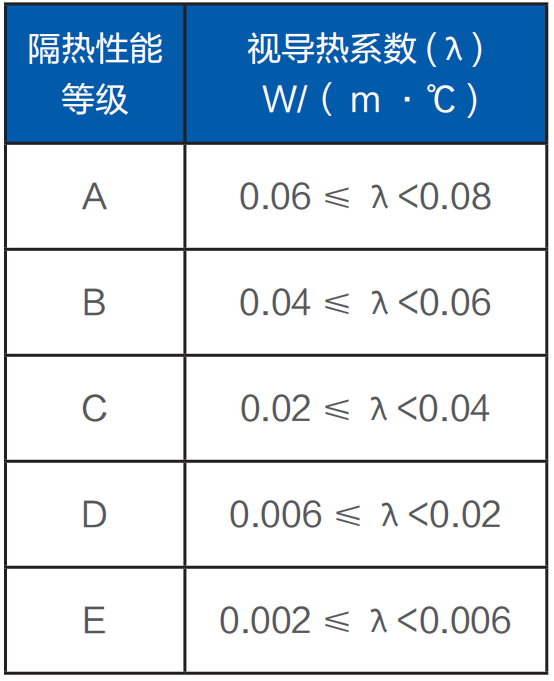
2. Vacuum insulation pipes are highly efficient insulation materials, with a thermal conductivity ranging from 0.02 to 0.002W/(m.℃). The thermal conductivity of commonly used PE or PPR plastic pipes is generally between 0.4 and 0.6 W/(m.℃), while that of ordinary seamless steel pipes is between 15 and 55W/(m.℃).
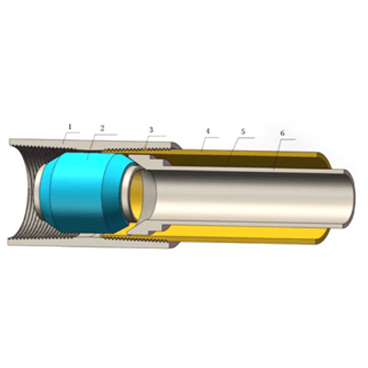
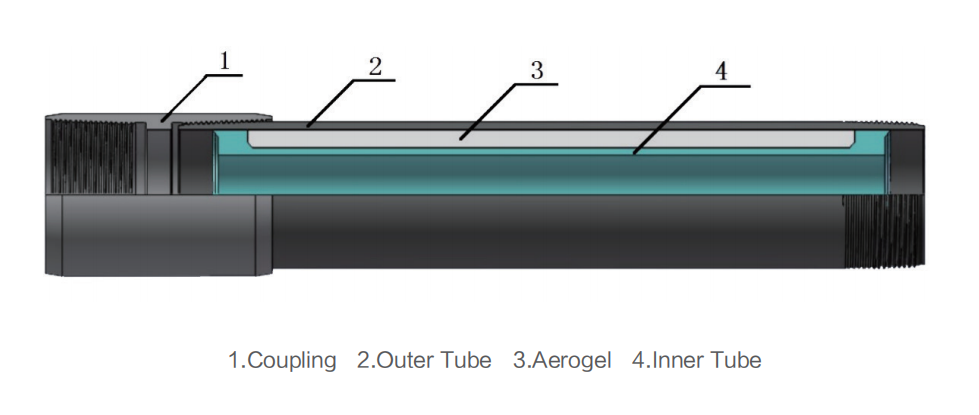
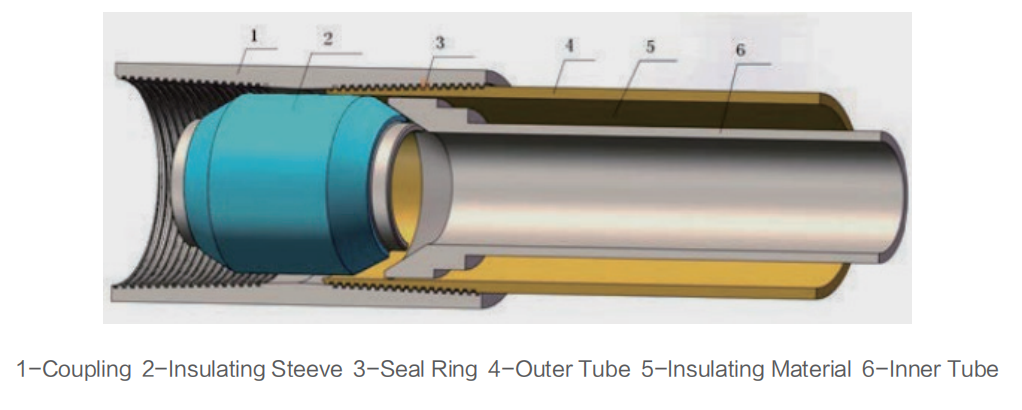
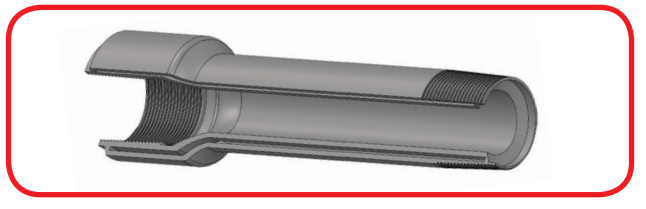
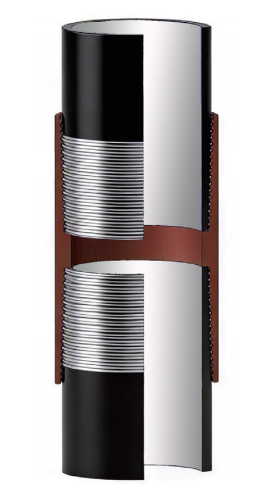
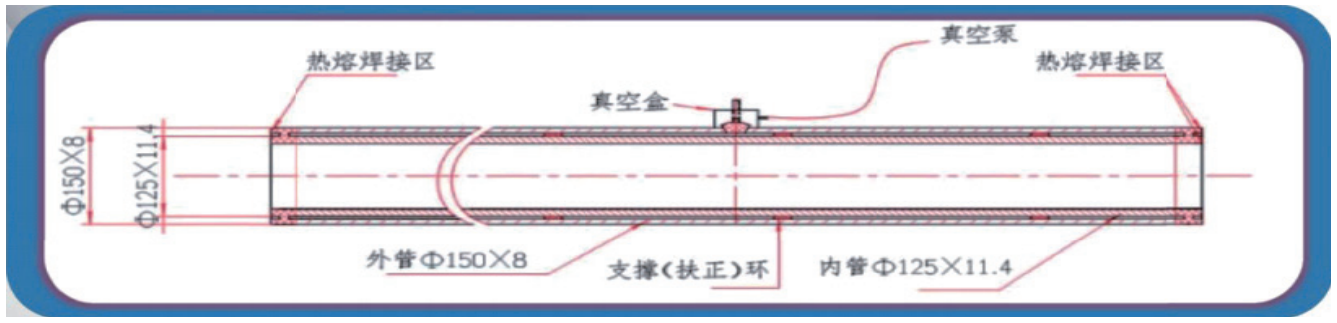
3. Vacuum insulation pipes are different from the traditional PE and PPR single-layer insulation pipe structures. They are composed of an inner pipe and an outer pipe. High-performance insulation materials are filled between the inner and outer pipes and vacuuming treatment is carried out. The principle of reducing the heat conduction mechanism in the insulation space is a circular vacuum. Insulation materials and air-absorbing agents are added to increase the vacuum degree and prevent heat loss caused by heat conduction and convection.
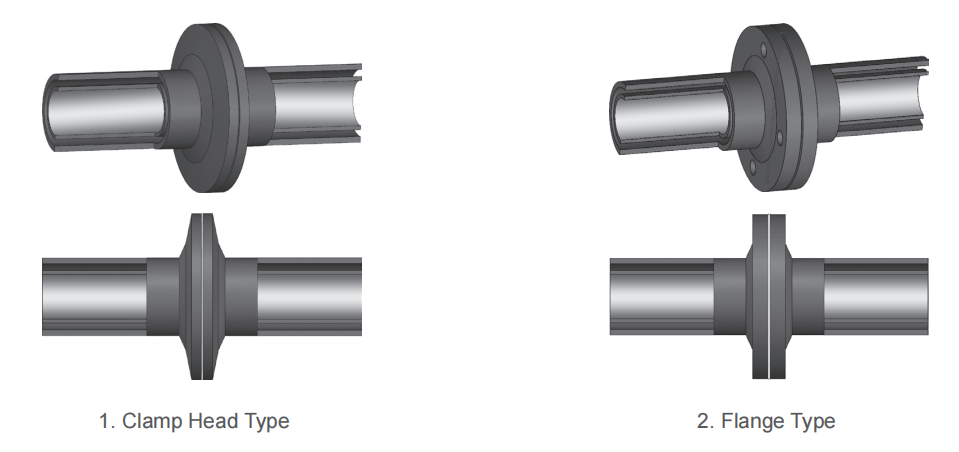
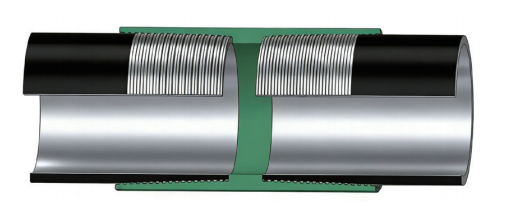
4. The geological conditions of geothermal Wells are particularly complex, and it is necessary to fully consider factors such as geological conditions, corrosion factors, temperature changes, external squeezing, internal pressure, and connection strength. By optimizing the design, efforts are made in aspects such as the selection of material types, the selection of insulation materials, and changes in connection methods to achieve continuous insulation of the pipe column without any breaks, reduce the usage cost, and truly realize the maximum benefit of geothermal energy. Vacuum insulated pipes are connected by threads. The way they are lowered into the well is the same as that of casing pipes. Compared with the PERT hot-melt connection method, it is more convenient, faster and safer.
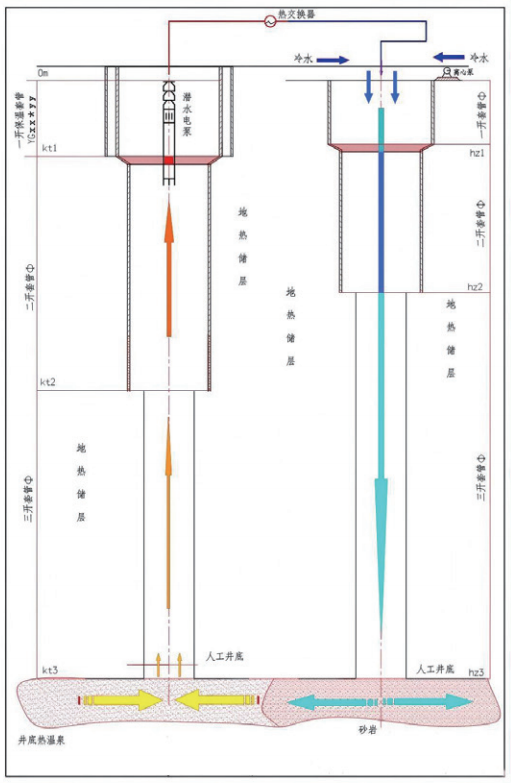
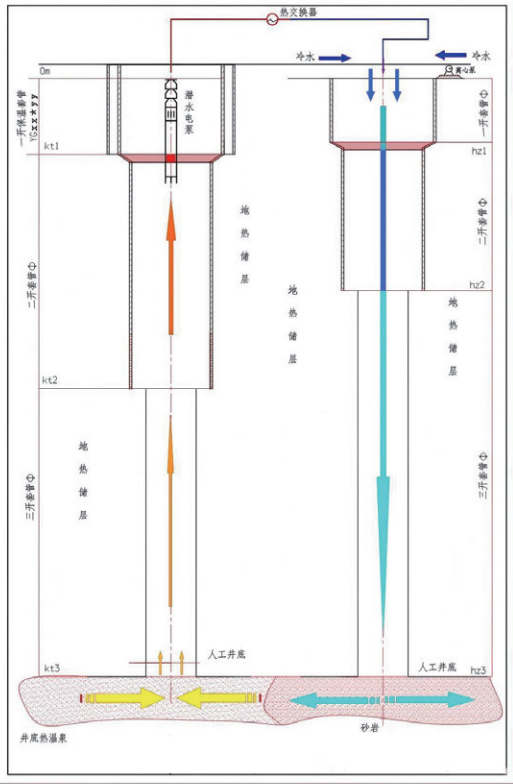
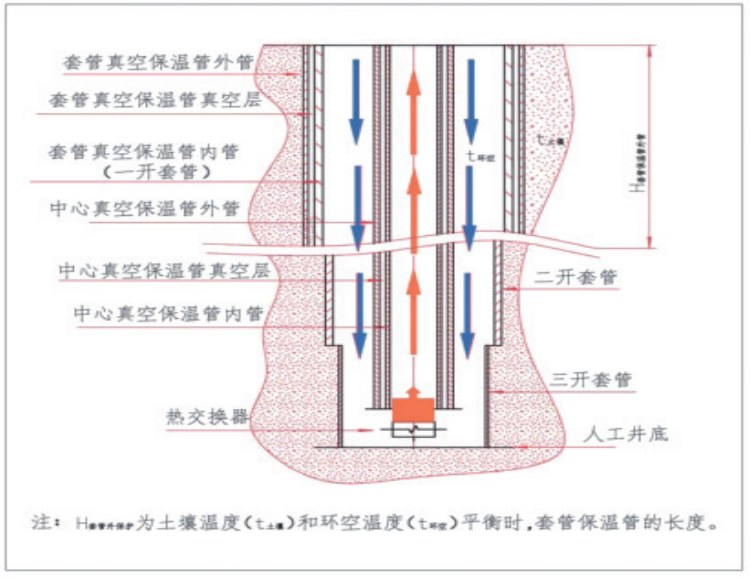
Principle of vacuum insulation tube
Cold water is injected between the inner wall of the casing and the outer pipe of the insulation pipe (blue arrow). Through the entire process of energy exchange from the wellhead to the bottom of the well, geothermal energy is obtained.
Due to the existence of the vacuum layer in the insulation pipe, it effectively prevents internal and external energy exchange, greatly reducing the energy loss in the insulation pipe. As a result, the temperature of the water at the wellhead (orange arrow) reaches its maximum, improving the thermal efficiency of the pipe string and even the wellhead operation.
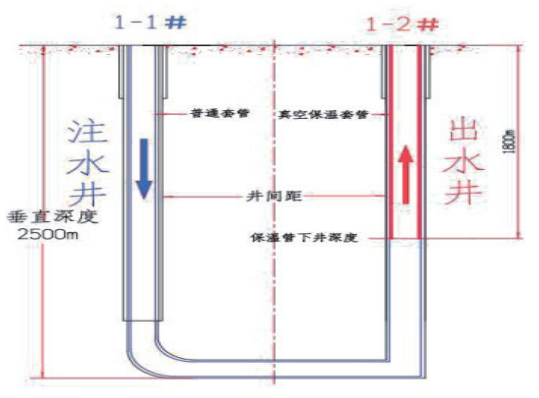
Cold water is injected through the inner wall of the 1 - 1# casing (blue arrow), and geothermal energy is obtained through the entire process of energy exchange from the wellhead to the bottom of the well. Because of the 1 - 2# casing vacuum layer, energy loss is effectively prevented, enabling the temperature of the water at the wellhead (orange arrow) to reach its maximum and improving the thermal efficiency of the pipe string and wellhead operation.
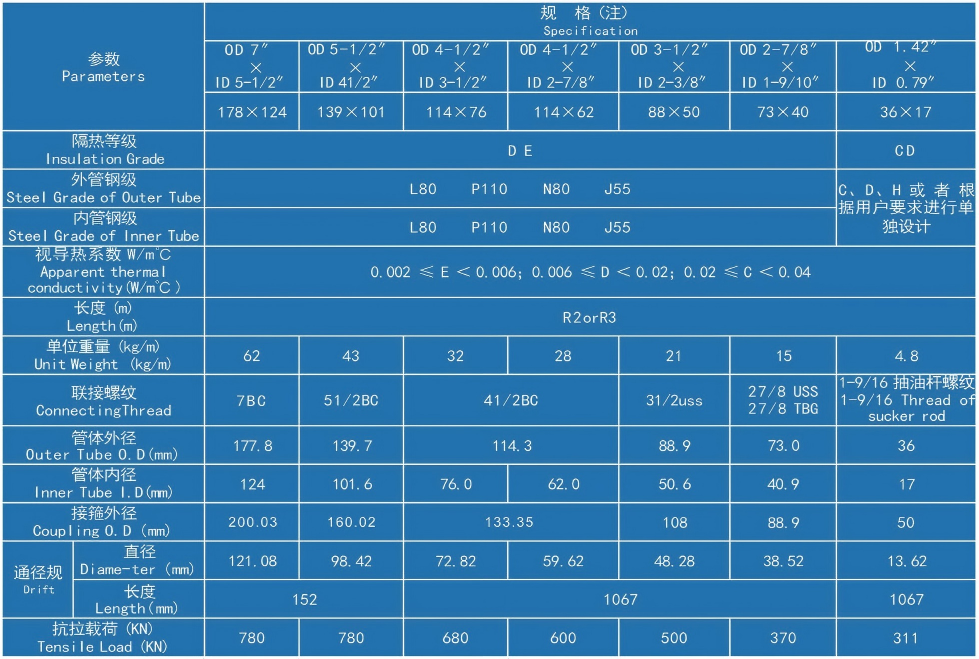
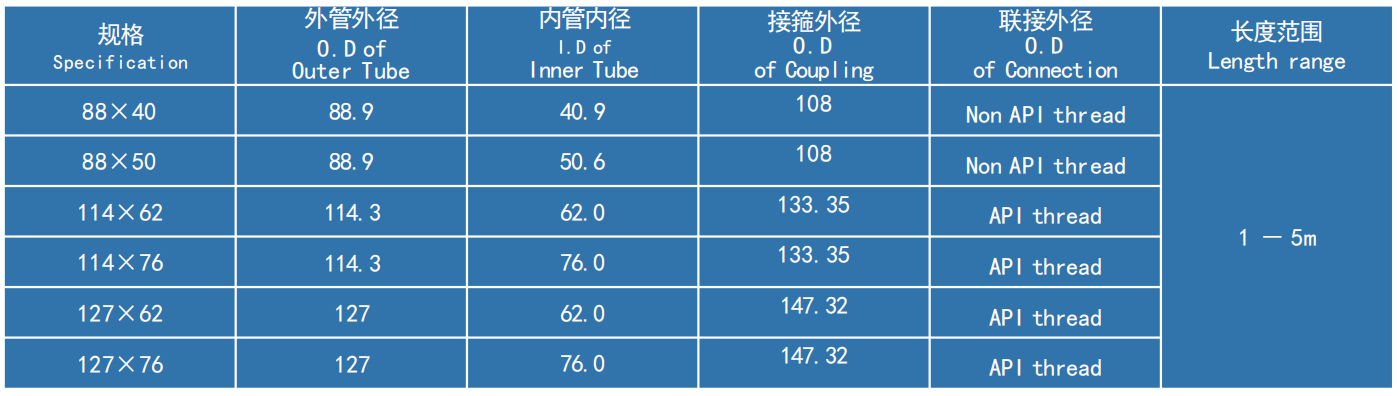
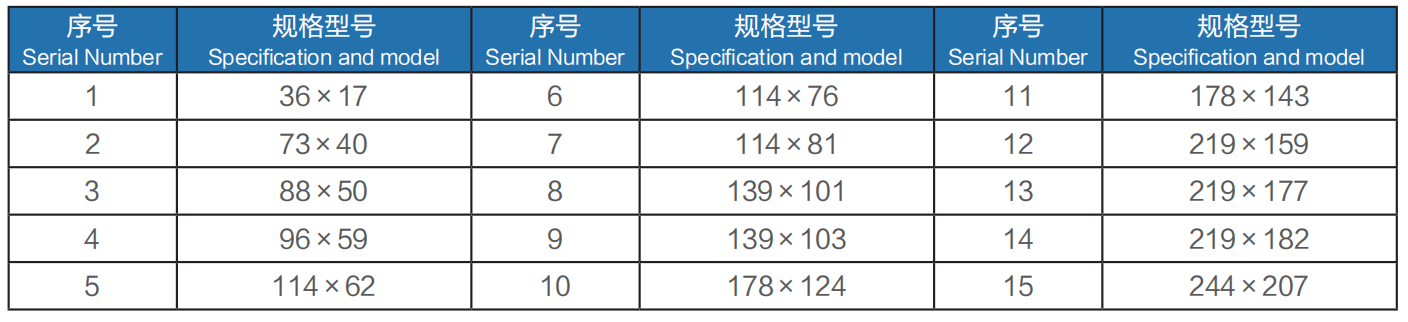
一、Commonly Used Insulation and Heat Preservation Pipe Models Summary Table
Note: Golden Ring Company can tailor-made according to customer requirements.
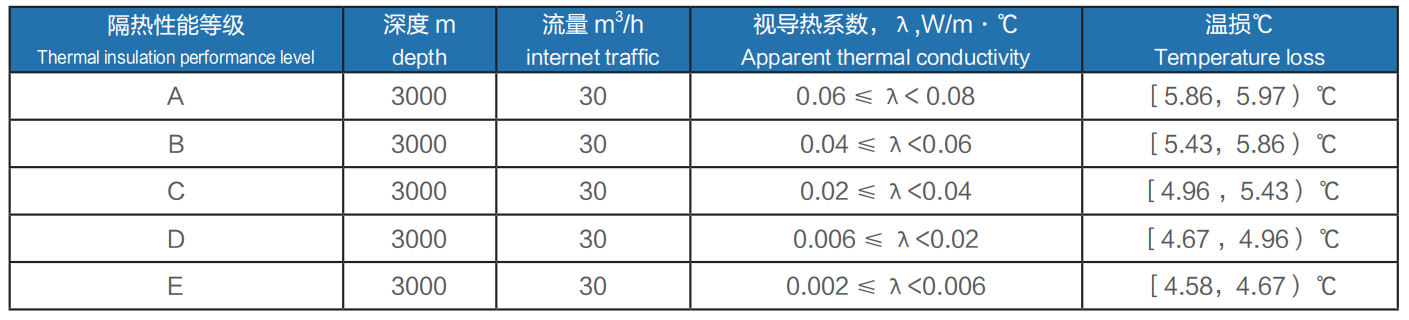
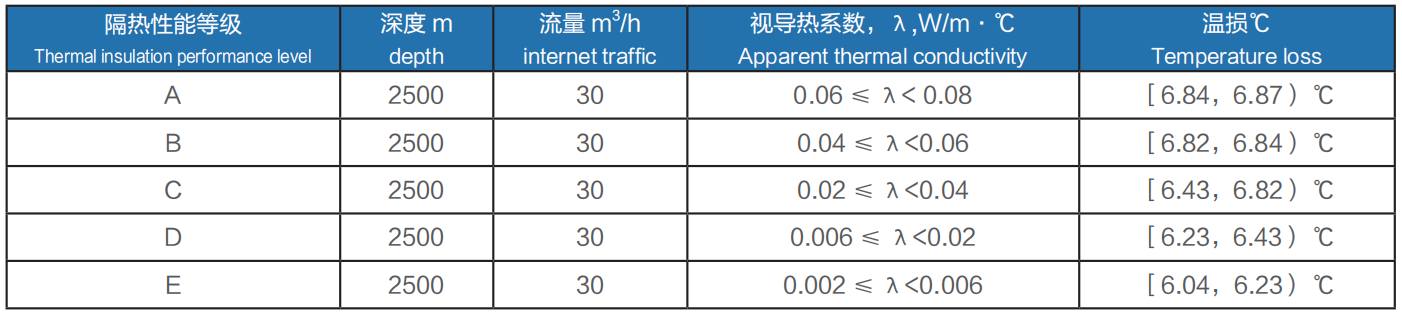
二、Insulation Grade Parameters Table for Thermal Insulation Pipes
Note: The factory grade of thermal insulation pipes from Jinhuan Company is all D and E grades
三、Different insulation levels and temperature loss conditions
1、3000m, flow rate 30m3/h, specification YG114X81
2、2500m, flow rate 30m3/h, specification YG139X101
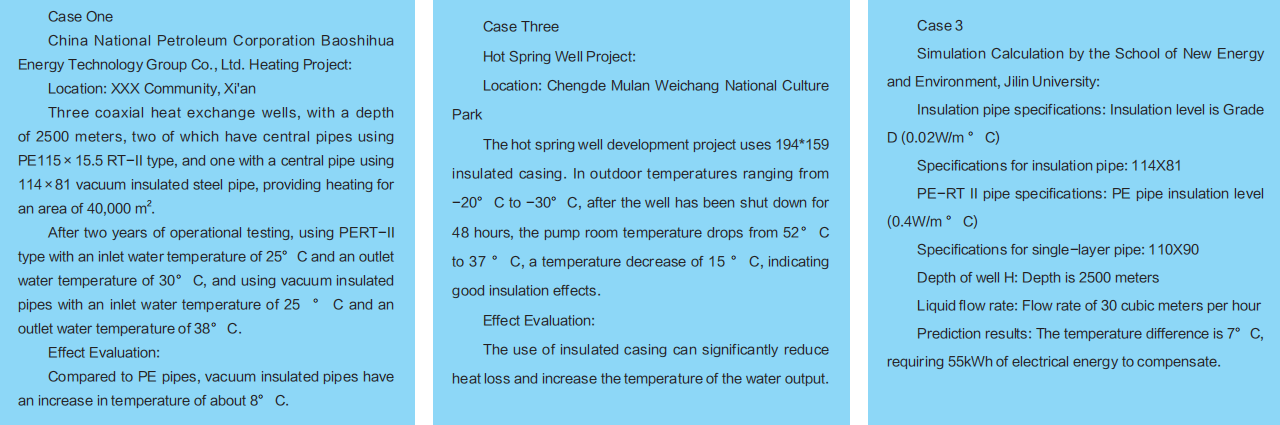
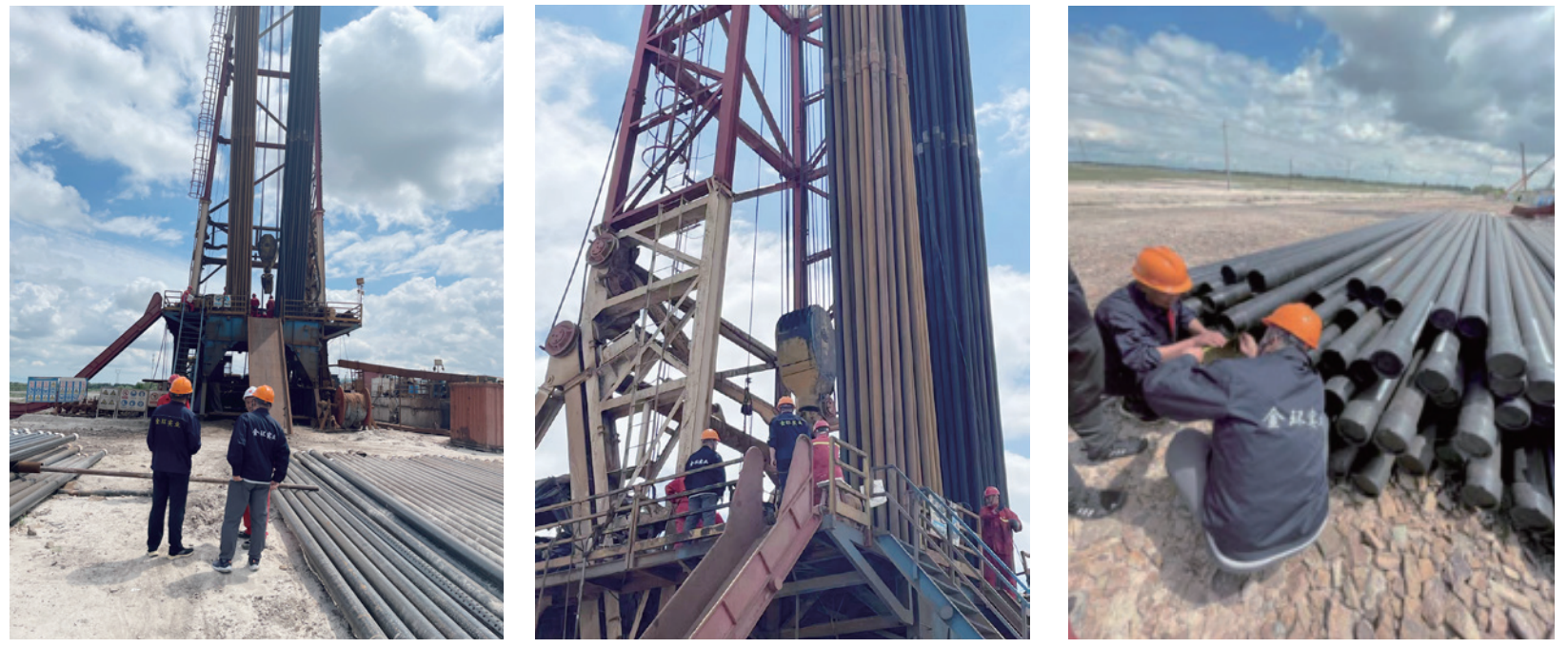
Jilin Da'an Heating Project site
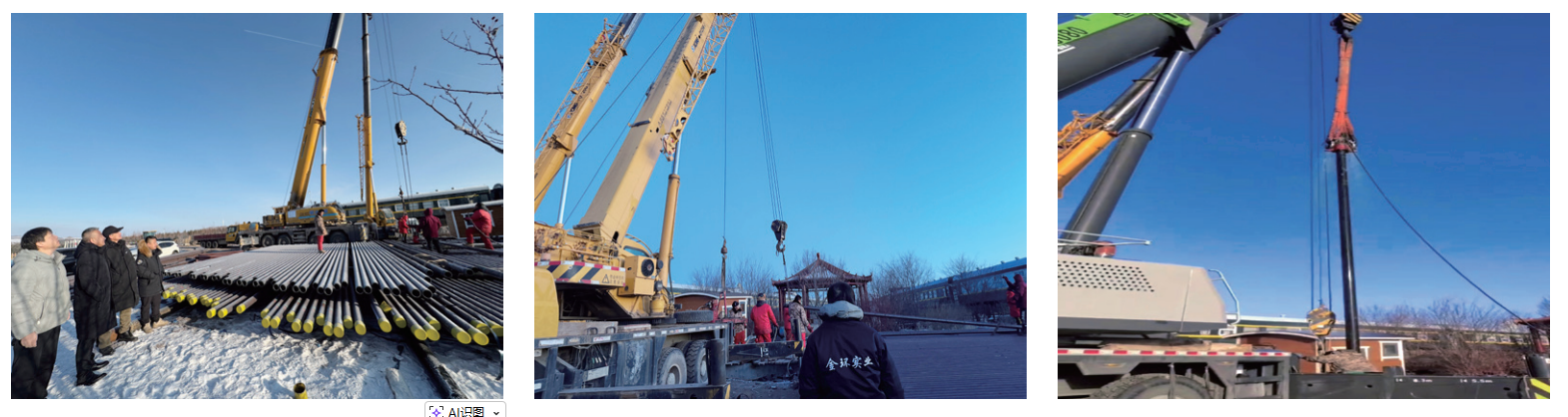
Chengde Mulan National Cultural Park hot spring wells development project site (under the insulation of the process of spray
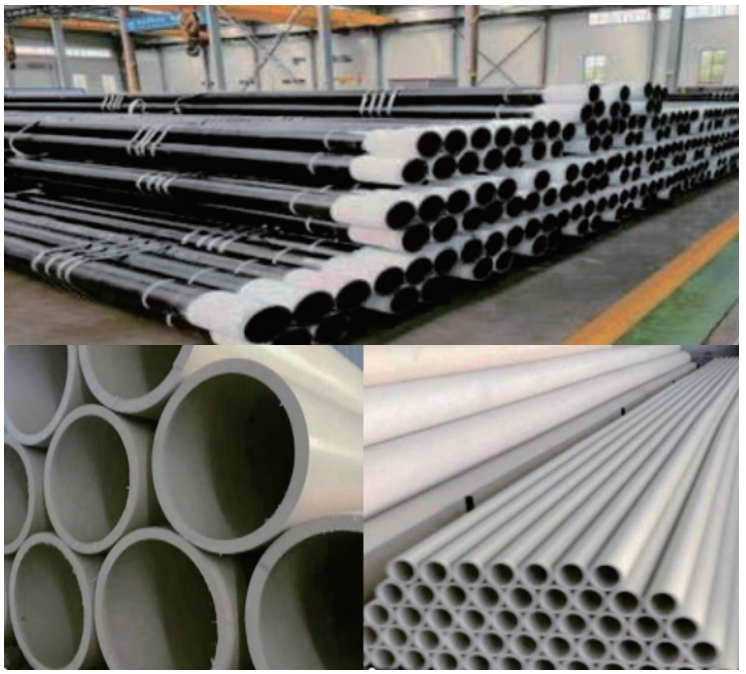
Double - layer PE Vacuum Insulation Pipe
At present, in response to the relatively low return on investment in the geothermal industry, Jinhuan Company has developed PE vacuum insulation pipes. These pipes have an insulation grade of D or above and have passed tests such as tensile load resistance, internal squeezing resistance, and external pressure resistance. They meet the requirements for geothermal transportation below 95℃. Compared with traditional insulation pipes, they significantly reduce energy loss during the transportation process.
1、Fill the interlayer between the outer and inner tubes with insulation materials;
2、Evacuate the interlayer between the outer and inner tubes;
3、Add a centering ring to the interlayer between the outer and inner tubes;
4、Determine the number of centering rings based on the material, wall thickness, and the values of internal and external pressure;
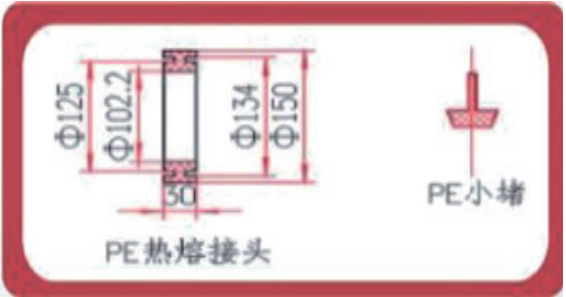
5、Conduct strength tests on heat - melt joints and small plugs;
6、Perform thermal - conductivity detection and internal - and - external - pressure tests in accordance with the insulation - tubing (insulation - pipe) standard.







 中文
中文